Behind the Science - Season 6
Metformin has been first-line therapy for type 2 diabetes for decades, but recent advances antiglycemic therapies and new data from the Diabetes Prevention Program Outcomes Study have led to questions around role metformin has carved for itself in armamentarium. At ADA 2022, Endocrinology Network asked experts what they thought of recent data and whether it was time to rethink metformin as a first-line therapy.
At the recent Association for Professionals in Infection Control and Epidemiology (APIC) 2022 Annual Conference, held June 13-15, 2022, in Indianapolis, Indiana, we asked the top experts in infection prevention and control for their take on this question: The Joint Commission has just arrived for an on-site survey. What are your first steps and what do you wish you had already done or prepared?
Experts speak about some of the most intriguing abstracts, data, and presentations to come out of the 2022 ASCO Annual Meeting.
The notable history of the sodium-glucose cotransporter-2 (SGLT2) inhibitor class of drugs began with approval in 2014 as a treatment for type 2 diabetes. Since then, they have been approved by the FDA for treating or reducing risk of a spectrum of cardiovascular and renal disease, regardless of diabetes status. Specialists and a primary care clinician answered the question: Who should prescribe these drugs, specialists or primary care clinicians?
The 2022 American Society of Clinical Oncology Annual Meeting continues to hold its place as the most impactful medical meeting for advancements in the field of cancer treatment, with pivotal presentations across a wide range of different tumor types shaking up the standard of care each year. The editors of CancerNetwork® sat down with some of experts in the field of gastrointestinal oncology to discuss which presentations coming out of ASCO 2022 had the greatest potential to impact the current treatment paradigm and make way into clinical practice.

Disproportionate access to clinical trials remains a critical issue contributing to health disparities for underserved populations nationwide, On this week’s Behind the Science, The American Journal of Managed Care® spoke with several early-stage investigators selected as part of the inaugural 52-physician cohort of Bristol Myers Squibb Foundation's Diversity in Clinical Trials Career Development Program on their motivations for improving representation of underserved communities across the oncology landscape and how they would address the long-standing issue of diversity in clinical trials.
Ophthalmologists and retina specialists pull from their years of experience to discuss what they wish they knew when they began their career.
Landon Brown, MD, gives an overview of the history and mechanisms of hormone therapy for patients with prostate cancer.

Dr. Richard Lamont joins us to discuss potential dangers in the oral biome, as well as the link between oral health and systemic health. As part of a study from the University of Louisville led by Dr. Lamont, researchers found a vital protein called interferon (intur-fearon) lambda that is produced by cells in the mouth and can help protect against viral infection.
In this Behind the Science, health care provider burnout is explored. Our two experts detail the history of burnout, its manifestations, and treatments.
Experts including Christina Madison, Brenna Veres, Jennifer Cocohoba, and Cassandra Esperant discuss the opportunities, history, and role of pre-exposure prophylaxis, known as PrEP, for HIV care and prevention.
As the Annual Oncology Nursing Society® returns for its first in-person meeting since the COVID-19 pandemic began, nurses from across the country speak to Oncology Nursing News® about their in-person experience.
In this Behind the Science, the role of the allied health care worker is explored. With many states passing laws to expand their authority as health care providers, there has been a debate as to how big of a role physician assistants, nurse practitioners, registered nurses and more should have in patient care.
Syam Reddy, MD, Judy Yee, MD and Anand Narayan, MD, discussed various benefits of computed tomography colonography (CTC) for colorectal cancer screening, the underutilization of the CTC procedure and steps moving forward to improve access to this procedure.
Therapies within HIV care and prevention have come a long way in recent years. Not only is there the addition of new antiretroviral therapies (ART) being approved, but novel delivery of these medicines such as long-acting injectables are seeing greater utility and offering patients flexibility with newer treatment options. In addition, the advent of pre-exposure prophylaxis (PrEP) therapy is helping people who are at risk of HIV. Clinicians and stakeholders offer insights and perspective on these vital HIV care and prevention therapies and their true impact.
Five experts were asked “In your opinion, are glucocorticoids more helpful or harmful in treating rheumatic disease?"
Equitable care has been a long-standing issue in dermatology characterized by a lack of diversity in clinical trials and management criteria that fails to account for diverse skin types. Key opinion leaders at the 2022 American Academy of Dermatology Annual Meeting spoke with The American Journal of Managed Care® on factors that continue to exacerbate health disparities for minority populations and current efforts to address these concerns in dermatology.
Telehealth usage has soared. An HHS report says Medicare telehealth visits increased 63-fold between 2019 and 2020, although it has tapered off some since. Some of that increase can be attributed to the relaxation of Medicare rules that were part of the federal government’s declaration of a public health emergency (PHE). The PHE has been extended another 90 days and an appropriations bill earlier this year said the waivers of the telehealth rules will extend 151 days after the public health emergency is over. Still, there are lot of questions about which if the waivers might be made permanent and how that will affect the usage of telehealth.
Psychosocial issues, such as fear of recurrence, can affect both the quality of life and outcomes for patients with cancer. For today’s episode of Behind the Science, two oncology experts discuss what’s being done to address the emotional side of cancer, and why it's important.
Presenters highlight some of the key presentations to come out of the 2022 AACR Annual Meeting.

Ophthalmologists across the country weigh in on what they envision for the future of ophthalmology. From emerging technology to breakthrough therapies and improved patient care, the vision of these doctors may be closer than we think.
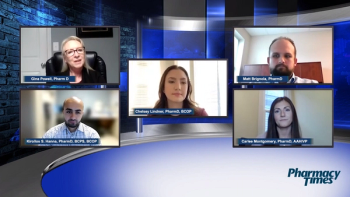
This interview discusses the ever-expanding landscape of oral oncolytics in the COVID-19 era, specifically towards the oncology drug pipeline heading towards a future of oral therapies for treatments.

A panel of experts answer the question: How important is it to understand a person’s ethnicity and cultural norms when developing a treatment plan?