Edith P. Mitchell, MD, MACP, FCPP, FRCS, explains her work to improve disparities among different population groups for better equality in access to cancer testing and treatment.

Edith P. Mitchell, MD, MACP, FCPP, FRCS, explains her work to improve disparities among different population groups for better equality in access to cancer testing and treatment.
La’Titia Houston, MPH, BSN, RN, MT(AAB), CBSPD, CIC, joined Wellbeing Checkup to talk about about the joys of motherhood, even for busy professionals fighting off a pandemic.

In this conversation, Chief Medical Officer of Included Health, Dr. Ian Tong spoke about how he has been practicing his well-being lately. Tong shared, most importantly, he has taken the pandemic as a lesson to find silver linings in spending more time with family and having more conversation about racial disparities following the George Floyd murder. Outside of quality time and better conversations, Tong also decided to go back to his roots of playing competitive soccer and has picked it back up by playing every Sunday in a more relaxed setting with friends. Lastly, he found a new hobby with his children through painting. With little experience or painting skills, he’s found that this activity, like soccer, has helped him enjoy more of the little things outside of work and feel more sense of wellness.

Following published research around the impact of the COVID-19 pandemic on the professional and personal lives oncologists, Dr. Ajeet Garja, chief medical officer of Cardinal Health, discusses his experience and the study findings.
Nate Royster, RN, offers tips on managing wellbeing while dealing with the day-to-day stress of the pandemic as an Emergency Department nurse working on the frontlines. Royster explained that remaining conscious of his own emotions, acknowledging the impact of his own efforts, and letting it be okay to feel overwhelmed have all been critical to manage his own mental health and wellness, as well as establishing good relationships with the people he’s working with because they are the people who understand what he’s going through each day.

On this episode of Wellbeing Checkup, Terry Brenneman, MD, joins us to discuss strategies physicians can use to help parents foster wellbeing in school-aged children as the pandemic and COVID-19 vaccination recommendations continue and school schedules are disrupted.
With the unlimited amounts of research, patient communication and other daily job functions at their fingertips, health care professionals often spend countless hours using technology on a day-to-day basis. In an interview with CURE®, Elizabeth Salerno of Washington State University School of Medicine explained how she steps away from the “screen-filled world” and creates healthy mental space when she has free time.
Physicians experience the highest rates of burnout among professionals, and this has only gotten worse during the pandemic. H. Steven Moffic, MD, shares some suggestions for dealing with burnout.
On this episode of Wellbeing Checkup, Lauren Catenacci, PhD, Head of People and Culture at Galaxy Vets reveals the results and significant implications of Galaxy Vets’ 2021 Burnout and Work-Life Balance Study in the Veterinary Profession, plus she shares tips on preventing burnout, enhancing work-life balance, and improving overall mental well-being.
Noting the historic implications of the COVID-19 virus, Dr. Jonathan Silverberg has weathered the pandemic by providing patients with care through a hybrid system of telehealth and in-person visits. He notes the changes in the healthcare system as well as the resilience of patients and physicians alike.
Dr. Indu Subramanian, the director of the VA Southwest Parkinson’s Disease Research, Education, and Clinical Centers spoke on the importance of taking time to pause in conversations with patients and colleagues, and how it can help improve communication and the digestion of information.

Anna Woloszynska, PhD, discusses the disparities between different populations within prostate cancer screening and treatment.
As a cardiologist and cardiac surgery specialist at Ann & Robert H. Lurie Children’s Hospital in Chicago, Dr. Stuart Berger knows what it is like to have highly stressful days at work. In this segment, Dr. Berger discusses the ways he lowers his stress, which includes time with his dogs, having the support of his family, working out regularly, and playing the blues on his trumpet.
How can you keep your brain healthy in an unhealthy society? Peter J. Whitehouse, MD, PhD, shares how you can keep your brain healthy in order to better serve your patients and your community.

Peter Lio, MD, FAAD, joins Wellbeing Checkup to discuss physician burnout. Lio describes how physicians have to put themselves first at times to be able to provide top patient care and describes what he recommends.

In this interview, Linda Stocum sits down with Ben Schuff, ND, LDN, to discuss customized nutrition strategies. The questions of how to start mindfulness and how to measure progress are tackled.

For decades, companies have found ways to raise prices without changing the dollar amount on the price tag. Edgar Dworsky is onto them. Dworsky, a consumer advocate who founded Consumerworld.org, says this product downsizing is a perfect example of shrinkflation. Dworsky sat down with Physicians Financial News to explain the concept, why it matters, and what consumers and businesses can do about it.

In this Wellbeing Checkup episode, ophthalmologist Cathleen M. McCabe, MD, shares some simple hacks for how physicians can incorporate the practice of “three good things” into their daily health routine.

In the oncology space, biologic drugs can be very expensive for patients. This can put added stress onto clinicians who may be wary about prescribing a biologic therapy to these patients without knowing whether the patient can afford the medication. Biosimilars, which high are clinically similar molecules that reference originator biologic medications and are offered at a lower price, offer a way to help patients, and practices, save money. Kathy Oubre, MS, delves into how financial toxicity brought on by the inability to afford expensive biologics impacts both patients and providers and hones in on how biosimilars offer a way around those concerns.
As the country approaches the two-year mark of the COVID-19 pandemic, the healthcare workforce is being battered by burnout. Wayne Sotile, founder of the Sotile Center for Resilience and the Center for Physician Resilience and co-author of the book The Thriving Physician, joins us today to discuss ways to counter the crush of work.

Cedric Steiner is a licensed nursing home administrator in Lancaster County in Pennsylvania. He’s also a consultant who specializes in building ventilation and how properly ventilated buildings are crucial in the battle against infection. Outside of work, he details his interest and hobby in beekeeping.

Dhyan Chandra, PhD, discusses research into mitochondrial function to help address disparities and outcomes in prostate cancer.
Burnout isn’t just a personal issue – combating burnout should be a top priority of companies and organizations as a whole, with a community-first approach. Christopher Mattern, MD, joins Wellbeing Checkup to discuss.

Stress is the root cause of so many of our chronic conditions, and chronic stress can wreak havoc on the body. In this episode of Wellbeing Checkup, Jennifer Bourgeois, PharmD, a clinical pharmacist and founder of Well and Free, LLC, shares her tips for managing chronic stress, prioritizing rest, and practicing self-care.

As health care providers, we are often so busy helping and healing others that we forget to help and heal ourselves. In this episode of Wellbeing Checkup, Frank A. Clark, MD, discusses the importance of mindfulness and the things that keep him healthy in mind, body, and spirit.
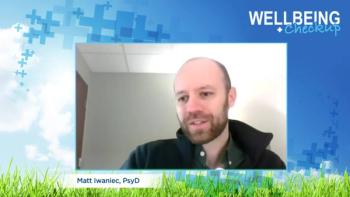
Matt Iwaniec, PsyD, a licensed clinical health psychologist with the stem cell transplant and CAR-T therapy program at Allegheny Health Network, discusses the importance of integrated behavioral health services in providing accessible care to patients with cancer. This, in turn, reduces stress across the entire care team, notes Iwaniec.
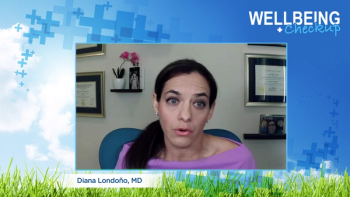
Is it true that taking 10 minutes every day to practice self-care can reduce the risk of burnout? Urologist and life coach Diana Londoño, MD, believes so. In a recent interview, she discusses how urologists can practice wellness on a daily basis. Londoño is a urologic oncology surgeon and assistant clinical professor in the department of surgery at the City of Hope National Medical Center in Duarte, California.
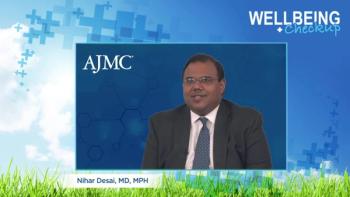
As novel care delivery systems continue to change the treatment landscape for patient populations nationwide, understanding how to leverage these services is crucial to optimize cost and quality. Dr Nihar Desai, [MD, MPH,] of the Yale School of Medicine, discusses what factors should be considered in integrating novel care delivery systems into practice and what steps can improve uptake among clinicians and patients.
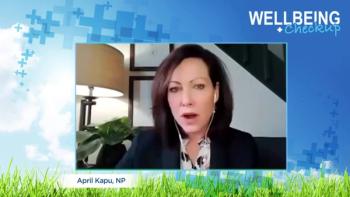
April Kapu, a Vanderbilt professor, acute care nurse practitioner (NP) based in Nashville, TN, and president of the American Association of Nurse Practitioners (AANP), who is here to discuss the future of the nurse practitioner workforce amid healthcare staffing burnout and the extreme fatigue and stress of the pandemic.

This Wellbeing Checkup features Dr. Shelgikar sharing her tips and tricks for how she maintains her mental health, as well as her hobbies outside of the clinic, which include prioritizing her sleep health, reading, and playing tennis.