Innovation

As high-end whisky can take decades to develop and total to thousands of dollars per bottle, a novel process created by Sarfaraz Niazi, adjunct professor of biopharmaceutical sciences and advisory board member for the Center for Biosimilars®, seeks to circumvent both time and cost by replicating the biosimilar approach to therapeutic drugs to that of whisky. Dr. Niazi speaks with The American Journal of Managed Care® on the distillation process, how the biobetter whiskies compared with their reference products, and future considerations for the alcohol industry.

James Beckman, MD, is the creator of a topical application that stops the progression of a first or second degree burn and reverse the symptoms already present as soon as possible after the burn. We discuss the science behind this burn reversal method, the complexities of working with burned skin, and what needs to be considered when working with a burned patient.

Burnout seemed to be at an all-time high for health care providers during the COVID-19 pandemic. When it comes to treating patients with blood cancer, their immunocompromised status put even more stress on doctors, as they now had an added layer of worry and concern for the people they were treating. However, when major advances enter the space – such as the recent FDA approval of cilta-cel for pretreated, relapsed/refractory multiple myeloma – clinicians can once again feel empowered and exciting, explained Dr. Sundar Jagannath, MBBS, professor of Medicine and director of the Multiple Myeloma Center of Excellence at the Tisch Cancer Institute in New York.

Ovarian cancer can bring an onslaught of more than a dozen symptoms, as well as lingering anxiety and other difficulties for patients and their caregivers. Heidi Donovan, a professor at the University of Pittsburgh School of Nursing is working with app developer Haomin (Leon) Hu to change that. Their app, which is currently in the early stages of development and is slated to launch next year, will help patients and their caregivers track and manage symptoms, leading to a better feeling of control over the disease.

On this week’s episode of Behind the Science, Contemporary OBGYN sat down with Maneesh Jain, CEO of Mirvie, and Michal Elovitz, MD, chief medical advisor at Mirvie, a new RNA platform that is able to predict pregnancy complications by revealing the biology of each pregnancy. They discussed recently published data regarding the platform's ability to predict preeclampsia and preterm birth.

The Global Society of Rare Genitourinary Tumors launched during the pandemic, hoping to give a voice to those who have or treat rare cancers in this space. In a recent interview, Philippe E. Spiess, MD, MS, FRCSC, FACS, and Andrea Necchi, MD, share how they aim to develop an environment that emphasizes education, patient advocacy, and clinical research for this subspecialty—one that has historically failed to receive the spotlight as much as other, more common cancers. Spiess and Necchi serve as President and Vice President of this organization.

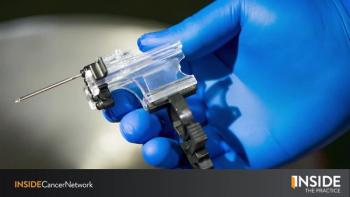
Dr. Matthew Allaway, DO, spoke with CancerNetwork about a prostate cancer biopsy technique that uses the transperineal approach to better detect cancer in harder to reach areas of the prostate. Along with this, Allaway touched on the American Cancer Society’s annual report, “Cancer Facts & Figures 2022” and detailed the important findings from a companion study to that information.

Asteres® chairman and BioIQ CEO, Sean Slovenski joined Inside the Practice to discuss 24/7 automated pharmacy pickup. ScriptCenter allows your pharmacy staff to maintain control of filling and checking prescriptions, while ScriptCenter takes care of the secure storage, tracking, pickup, and payment of your pharmacist-filled prescriptions. Asteres® develops ScriptCenter kiosks and lockers for secure and safe pickup of prescriptions and healthcare products.

Greg Marchand, MD, FACS, FACOG, FICS, Director of the Marchand Institute for Minimally Invasive Surgery. He talks about robotic and assisted laparoscopic surgery and shows how his simulators of the two different machines work. He also explains the many benefits to assisted or robotic surgery.

A panel of experts discuss how live microbiota treatments currently in development could transform care for CDI. One theme is that antibiotic use increases the risk of infections, meaning some non-antibiotic options need to emerge. The treatments are based off the success of fecal microbiota transplantation for C difficile.

Avoiding clinical inertia and achieving optimal levels of prescribing for guideline-directed medical therapies is a problem that spans across almost all specialties in medicine. In cardiology, clinicians point to gaps in prescribing of guideline-directed therapies as a treatment gap leading to negative outcomes for some patients. In this edition of Inside the Practice, Dr. Stephen Greene discusses the process of creating a digital dashboard for increasing prescribing of guideline-directed therapies that was recently rolled out within the Duke Medicine health systems.

The COVID pandemic is driving interest in the importance of the immune system to human health, and platform technologies to preventing and treating disease. There are roughly 60 million patients in western society dealing with immune mediated diseases. Tackling drug development through a pathway approach opens the potential to treat multiple diseases with one therapy. New ongoing research by Janssen Immunology continues to validate their “pipeline in a pathway” model to treating immune mediated diseases in multiple therapeutic areas including psoriasis, psoriatic arthritis, Crohn’s, ulcerative colitis and more.

Holistic Dentistry can be a controversial topic among dental professionals, but at Brio Dental in Portland, Oregon, Karaneh Jahan, DMD, looks to provide care for the entire patient with a focus on services and products that reduce the use of metals and avoid known toxins such as mercury. Dr Jahan shares her personal story of pursuing a holistic approach to her own health challenges, and explains she incorporates those same principles into the care she provides to her patients.

The epidemic of chronic obesity in the US is driving increases in a wide range of other dangerous and deadly chronic illnesses. Prevention and management of overweight and obesity are rightly the concern of primary care but there are myriad challenges for both patients and physicians to arresting or reversing the process of unhealthy weight gain. There now are several physiologic that act on the physiologic underpinnings of obesity and may significantly enhance the success of patients’ efforts at behavioral change (eg, diet and physical activity).

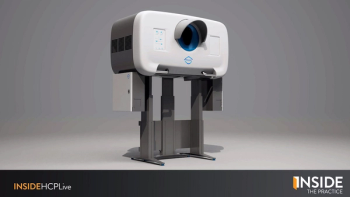
Utilizing its innovative whole-body scanner, Q Bio develops breakthrough technology to measure changes in the human body like never before. Q Bio unveiled the first clinical "digital twin" platform, Q Bio Gemini, to capture and monitor comprehensive baseline patient health in a scalable virtual model. In this interview, Q Bio CEO Jeff Kaditz discusses the company’s leading technology that is driving this innovation.

Previewing New Jersey’s first free-standing cancer center, Dr Steven Libutti, director of the Rutgers Cancer Institute of New Jersey, speaks with The American Journal of Managed Care on how the upcoming Jack and Sheryl Morris Cancer Center will open possibilities in cancer care that were otherwise unavailable in the state. Dr Libutti discusses the capabilities in oncology care and clinical trial research that will be provided at the Rutgers-affiliated center, and its implications for a state marked by one of the highest cancer rates nationwide.

For patients with breast cancer whose disease has spread to the axillary lymph nodes, the use of a new reflector device technology in the early neoadjuvant chemotherapy setting can help to more accurately pinpoint cancerous nodes for resection, and potentially improve outcomes. Leslie L. Montgomery, MD, and Tara M. Balija, MD, discuss the benefits of a novel reflector device in patients with breast cancer, its efficacy in identifying clipped axillary lymph nodes, and the potential future use of this device in other cancer types.

Five experts in gastroenterology and infectious disease discuss what they think the future is for fecal microbiota transplantation (FMT) in treating recurrent C. difficile infection, which is linked with high mortality. The availability of FMT has been limited since the COVID-19 pandemic began, and more standardized preparations are being explored.

Yan Lavrovsky, MD, PhD discusses the RPH-104 Molecule, a biological project that is currently being developed to treat a variety of inflammatory diseases, metabolic diseases, recurrent fever, joint lesions, and rashes. Dr. Lavrovsky discusses why the FDA approval of the molecule is so groundbreaking, future research, and what first sparked his team’s interest in researching and developing the RPH-104 molecule.

Quita Highsmith and Dr. Monica Baskin discuss the Advancing Inclusive Research Site Alliance, a new initiative by Genentech to include more diverse populations in clinical trials. Highsmith and Baskin touch on why it’s important to have started this alliance and how they hope to see the program grow to include other cancer centers.

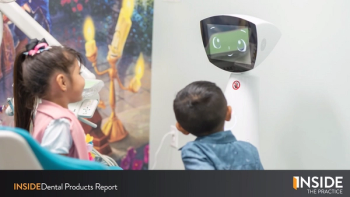
Robin the Robot from Expper Technologies is an interactive companion designed to help children feel comfortable in hospitals, dental practices, and other healthcare settings. ABC Kids Dental Group in Los Angeles was the first practice in the area to add Robin to the practice, and the impact has been amazing.

As use of reference bevacizumab (Avastin) for the treatment of macular degeneration has increased over the past decade, payers have begun to recommend bevacizumab biosimilars for the same indication. However, some institutions, including the American Academy of Ophthalmology, say that there needs to be more evidence for the use of these biosimilars for macular degeneration and that recommending them for use is premature.

A recently launched application, Top Derm, developed by medical video game company Level Ex, made for dermatologists. The free-to-play mobile app presents users with exercises and challenges on a variety of dermatologic concepts that are designed to encourage learning and strengthen recall. Level Ex collaborated with over 140 dermatologists, including Dr. Peter Lio, to design the game. Dr. Lio speaks about the application’s design, how the game works, its value for dermatologists of all skill levels, and its future as a resource for clinicians.

Dr. Alireza Atri, the director of the Banner Sun Health Research Institute in Sun City, AZ, joined Deep Dive from the floor of the 2021 Alzheimer’s Association International Conference to discuss the recently published and presented Appropriate Use Criteria for aducanumab, or Aduhelm, Biogen’s newly approved anti-amyloid agent for the treatment of Alzheimer’s disease.

Dr. Michael Assouline joins to discuss new technology for screening for and diagnosing ophthalmic conditions. EyeLib is described as an AI-device that “allows for rapid fully automated advanced and comprehensive ophthalmological diagnoses and consequent referrals to the appropriate specialists.” Essentially, the idea is that all the medical devices used at the beginning of a check-up are combined into one streamlined machine.