Two esteemed maternal-fetal medicine specialists, Joshua Copel, MD, and Sarah J. Kilpatrick, MD, PHD, share their hobbies, including tennis and reading.

Two esteemed maternal-fetal medicine specialists, Joshua Copel, MD, and Sarah J. Kilpatrick, MD, PHD, share their hobbies, including tennis and reading.
Managed Healthcare Executive speaks with Inovalon Chief Medical Officer, Dr. Paige Killian about how expanding her reading further than it typically goes and even her language has created a sense of mental wellbeing and a better understanding of our world. A subject of literature Dr. Killian has been reading more of has been focused on history, more specifically of different countries. She also shared that she is learning Italian.

Michael Myers, MD, author of the book "Becoming a Doctors' Doctor: A Memoir," discusses how to foster a better work environment for physicians.

Ruben Mesa, MD, of UT Health San Antonio MD Anderson Cancer Center, discusses disparities in the oncology field and initiatives being undertaken to address them.

Dr. Yehuda Handelsman discusses how he has maintained his mental wellbeing throughout his career as a practicing endocrinologist who has served as president of the AACE and currently serves the medical director and principal investigator of The Metabolic Institute of America.

Taking on a new role in a different company can come with its share of excitement but also added levels of stress. Steve Evans, MD, chief medical officer of Centene, Nevada, speaks with The American Journal of Managed Care on the pressure he initially felt in managing the increased workload of his recently appointed role, and what strategies he leveraged to reduce stress and excel in his position.

Infectious diseases and vaccine safety expert Dr. Jan Bonhoeffer discusses strategies health care professionals can use to ensure they are tending to their own mental health.
Two oncology nurses with the Allegheny Health Network Cancer Institute discuss the importance of “living in the moment” and taking time to disconnect from work to promote their overall wellness.
Navigating the challenges from the COVID-19 pandemic can be difficult for those within the Alzheimer disease field. Seeing patients virtually has been a task for clinicians like Sharon Cohen, but through the appreciation of her job, family, and the small things in life, she’s eased her stress. On this Wellbeing Checkup, Cohen, a neurologist and assistant professor at the University of Toronto, provided insight on how ways clinicians can find comfort during this difficult time.
On this episode of “Wellbeing Checkup,” the vice president of Thrive Pet Healthcare who is currently a PhD candidate with a dissertation focus on the high suicide rates in veterinary medicine, touches upon toxic work environments at the clinic and their impacts on mental health.
Benny Weksler, MD, MBA, FACS, FACCP, discusses current disparities in lung cancer and how Allegheny Health Network Cancer Institute is working to address them.

Korey Capozza, MPH, the founder and executive director of Global Parents for Eczema Research, dives into the burdens often missed for eczema patients.

Elesyia Outlaw-Evans, MD, the chief of Radiation Oncology the Cancer Treatment Centers of America in Phoenix, Arizona, provides insight on her experience as a minority in the field, the mental ramifications of being a minority, and how her experience may differ from those in other minority groups.

Dr. Douglas Simonetto talks about how to avoid burnout and picking up hobbies. For him it is running, which he has increased during the pandemic, even in cold Minnesota climate.

Suzy Scott, MSN, RN, WOC Nurse and CEO of Scott Triggers, PLLC, discusses how burnout is affecting nurses and other health care workers and how to stop them from leaving the medical profession.

Srdan Verstovsek, M.D., Ph.D., treats patients with myelofibrosis, a disease that can come with a poor prognosis, as well as high symptom burden. While it is often difficult to hear about patients’ suffering, Verstovsek emphasizes that clinicians should “celebrate the successes” — such as helping patients find a promising new therapy or pain relief — to avoid burnout.

Jessica Peck, a pediatric nurse practitioner, and clinical professor of nursing at Baylor University Louise Herrington School of Nursing in Dallas Texas, shares her simple, but effective ways to clear her mind, slow her down, and focus on joy. And all it takes is a pair of sneakers, a family trip tagged on to a business conference, or singing in the choir at her local church.

The constant stress on the back and neck muscles as part of a surgeon’s daily regimen can have long-term effects. Inder Paul Singh, MD, shares some simple hacks that physicians can use in their daily practice to foster better ergonomics.
When mental health professionals and law enforcement work together, they may be more able than ever to help keep individuals in mental health crisis out of the emergency room and out of jail. In this installment of Wellbeing Checkup, Margie Balfour, MD, PhD, of Connections Health Solutions and Sgt Jason Winsky of the Tucson Police Department provide an update on the latest crisis system developments, including the upcoming 988 mental health hotline number.

Neuroradiologist Chris Mattern, MD, discussed his avid interest in cycling to stay fit and how he has incorporated mindfulness into his daily routine to stay centered and focused.

Dr. Iriny Salib shares tips for clinicians to get their patients up to date on vaccinations missed during COVID-19, with hopes we can boost immunization rates even higher than they were pre-pandemic.

Ryan Urgo, managing director of Health Policy at Avelere, shared how he practices his wellbeing through a consistent fitness regimen and diet. He noted his exercise routines and meal plan that work best for him have really benefited his physical and mental well-being. Urgo added how it important it is to combat one of the negative causes of bad health – inflammation - by staying active and eating healthy foods. He even shared what’s helped him keep going with his routine from the height of the pandemic and on: his family who, as a group, have all committed to their health and wellness as a team.

Michael Myers, MD, is a psychiatrist who treats health care professionals and their families. He talks about how HCPs in the wake of COVID-19 are dealing with grief and what he recommends as essential for clinician mental health in the months and years to come.

As patient- and population-level issues continue to face stakeholders involved in US health care transformation, finding time to maintain a work/life balance can be a difficult task. Mark Fendrick, MD, co-editor-in-chief of The American Journal of Managed Care®, and director of the University of Michigan Center for Value-Based Insurance Design, discusses why this balance is important for stakeholders to efficiently manage short- and long-term goals, and what benefits he gained through his recent sabbatical with his new puppy.
Sonja Olson, DVM, book author at Heartstorming Wellness, emphasizes the power of reframing and how this shift in perspective can help improve veterinary professionals’ mental wellness. Plus, she shares the inspiring initiatives being made in the field to support a healthier profession.

CancerNetwork’s Ariana Pelosci spoke with Kate Ueland from Cook for Your Life, a non-profit designed to offer healthy recipes and nutrition tips to patients with cancer, and those who are caregivers. In the interview, Ueland discusses how Cook for Your Life can be a resource clinicians give to patients during the survivorship stage, and using their platform as a tool to educate patients to improve their quality of life.

Dr. Donna Hallas discusses current extreme stressors and how addressing them with patients can help providers manage their own stress.
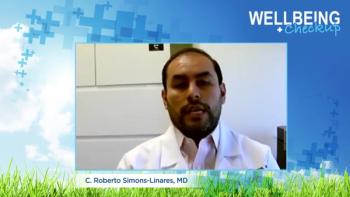
C. Roberto Simons-Linares, MD, talks about the need to find things to deal with stress and burnout. He personally likes the outdoors and exercise, but thinks everyone should find something that works for them individually.

Joyce C. Chang MD, MSCE, discusses how she has been able to avoid physician burnout.

Jon Friis, Founder and CEO of Miiskin describes the journey of Miiskin, a tele-dermatology platform he created as his partner was high risk for skin cancer. He talks about how the pandemic changed the course of his companies goals and how now it can help physicians who are experiencing burnout.