Clinical

Peter Carlos and assistant Jaycee Leonardo discuss social media and the effects social media can have on practices. After gaining 1.7 million followers on TikTok, they use what they have learned through their own personal experiences with their social media to help practices grow on social media.

Martin VanTrieste joins Deep Dive to dig into Civica’s business and membership model, its suppliers, the progress it has made in dealing with hospital drug shortages and what motivates VanTrieste to work for free!

Dr. George Yoo discusses the advances in telehealth brought on by the COVID-19 pandemic, some specific telehealth services provided by Karmanos Cancer Center, and walks us through what a telehealth visit might look like.

Dennis O’Neill highlights the treatment potential of rare cannabinoids – including CBG, CBN, THCV, and others – which exist in minute quantities within the hemp plant.

On this episode of Second Opinion Dr. Marc Rosenberg and licensed veterinary technician and certified practice manager and consultant Bash Halow talk about how to best approach staff members that opt against being vaccinated for COVID-19.

Dr. Jerry Bagel dives into the complex treatment world of psoriasis. He discusses comorbidities associated with the skin disease, as well as treatment advancements and hurdles, using biologics treatments during the COVID-19 pandemic, and more.

A panel of specialists in multiple sclerosis for their thoughts on the current state of science and research in MS in light of the impact of the COVID-19 pandemic after attending the 2021 ACTRIMS Forum, the first MS-centric society meeting of the year.

Caroline Carney discusses how health care professionals can keep a positive mindset while working with patients during the pandemic.

Dennis O'Neill discusses the treatment potential for biosynthesized psychedelic drugs for anxiety, depression, alcoholism, and terminal illness, and how BioMediCan is changing the game by sustainably and reliably synthesizing higher-quality psychedelics in large volumes.

Dr. Ivan Marazzi discusses how he maintains his mental hygiene, how he balances his personal life with work, and why maintaining good mental health practices is crucial for those in the medical field.

Dr. Joshua Sabari discussed the recent FDA approval of amivantamab to treat patients with metastatic non-small cell lung cancer with epidermal growth factor receptor (EGFR) exon 20 insertion mutations.

More states are legalizing medical (and recreational) marijuana use. While it may eventually have a larger role in adverse event management in the cancer space, there are still legal, social, and research barriers.

Jamie Leef, co-owner and general manager of Heal Veterinary Clinic, discusses the solar electric system recently installed at Heal Veterinary Clinic among other measures the hospital has taken to go green. Leef touches on this plus how the new addition has benefited his practice, how clients have responded to the solar panels, and his advice for other clinics considering going green.

Dr. White and Dr. Kotha go over the ins and outs of the WesternU Vaccination Clinic, specifically the adjustments from when the clinic first opened, the science behind vaccination storage and administration, and the importance of getting a COVID-19 vaccine.

The importance of a good relationship between dentists and their office managers and the impact this relationship can have on a practice’s success, not just from a financial aspect but also in terms of patient care and employee morale. Two leaders in the field of office management, Heather Colicchio & Lorie Streeter, offer advice and experiences from several dental practices, and they share some ways to maximize this relationship.

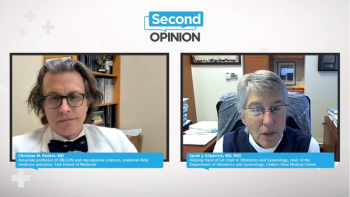
Dr. Sarah J. Kilpatrick and Dr. Christian M. Pettker discuss the changing landscape of gender identity in OB/GYN practices. The debate focuses on the use of “pregnant women” versus “pregnant persons.”

Oncologists and other cancer health care providers join Behind the Science to discuss the greatest challenges they face in their day-to-day work. From losing patients to the difficulty of translating data from bench to bedside, they touch on a range of topics.